Aesthetics and Medical Laser Machines How to Choose the Best?
In the ever-evolving field of aesthetics, selecting the right Aesthetics & Medical Laser Machines is crucial for practitioners. With numerous options flooding the market, making an informed decision can feel overwhelming. These machines are not just tools; they shape patient experiences and outcomes.
Understanding the nuances of different laser technologies is essential. Factors such as skin type, treatment goals, and safety features must be considered. Additionally, practitioners may lack sufficient information on machine efficacy and maintenance. This shortfall can lead to poor choices that affect client satisfaction.
Choosing the right equipment requires balancing personal expertise with technological advancements. Researching options and seeking advice from trusted sources can help. Each step taken in the selection process directly impacts the quality of care provided. Ultimately, the goal is to enhance aesthetic results while prioritizing patient safety and comfort.
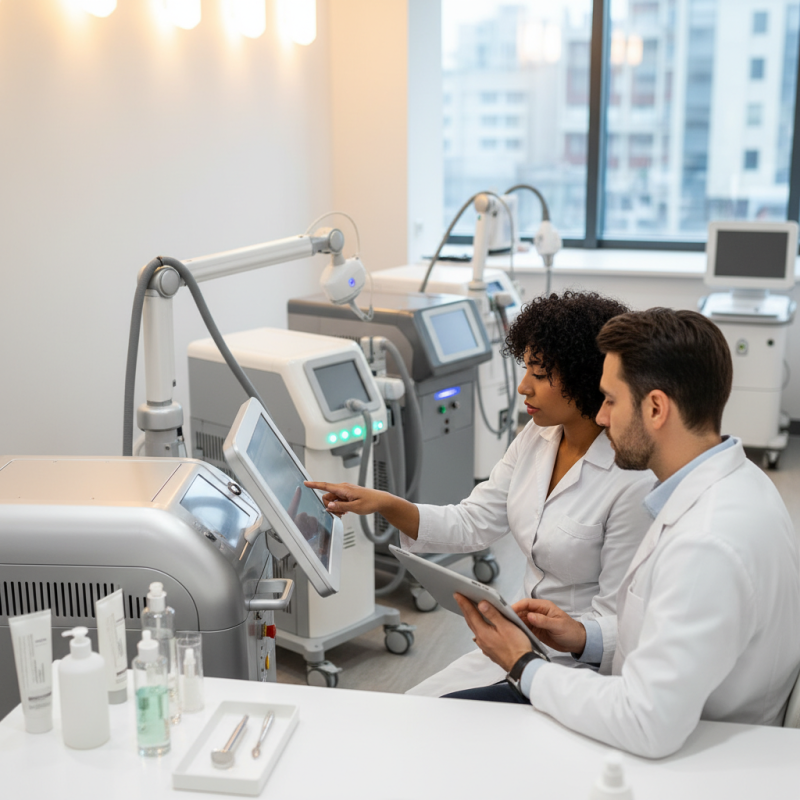
Understanding Aesthetics: The Role of Laser Technology in Dermatology
The integration of laser technology in dermatology has transformed aesthetic practices. Laser machines play a pivotal role in skin treatments, addressing issues like pigmentation, acne scars, and wrinkles. These devices work by emitting focused light energy that penetrates the skin. This energy stimulates collagen production, which is essential for youthful skin.
When selecting a laser machine, it’s crucial to consider various factors. Look for FDA-approved machines, as they must meet strict safety and efficacy standards. Research the types of lasers available—ablative, non-ablative, or fractional. Each serves different purposes. Ensure the operator has proper training and experience, as this greatly influences the results and safety of treatments.
Tips: Evaluate the intended treatments. Not all lasers are suitable for every skin type. Consult with professionals who understand skin biology and treatment design. Investing in continuous education is vital. The field evolves, and staying updated ensures you remain competitive. Quality over quantity is key when choosing a laser—consider longevity and versatility.
Key Features of Medical Laser Machines: What to Look For
When selecting medical laser machines, understanding key features is crucial for effective treatment. Look for versatility in application. A multitasking device can handle various skin types and conditions, which can improve clinic efficiency. According to a report by Grand View Research, the global medical laser market is expected to reach over $10 billion by 2025. This growth suggests that clinics must invest in machines that are adaptable.
Another important feature is the type of laser technology used. Different lasers interact with tissues in unique ways. For instance, CO2 lasers are often preferred for skin resurfacing due to their precision. A thorough understanding of wavelengths and their effects is needed. Knowledge gaps in this area can lead to suboptimal results. Research indicates that proper training is vital; clinics see about a 30% increase in successful outcomes when staff are well-trained in laser applications.
Safety features cannot be overlooked. Advanced systems should include integrated safety protocols to protect both patients and operators. Studies show that incidents related to improper use are higher in clinics without robust safety measures. This issue highlights the need for regular training and maintenance, as even the best machines can underperform without proper oversight. Investing in machines that prioritize safety and training is key for any respectable practice.
Types of Laser Treatments: Comparing Different Technologies
When considering various types of laser treatments, understanding the available technologies is essential. Different lasers target specific skin concerns. For example, ablative lasers remove layers of skin. They are effective for deeper wrinkles and scars. Non-ablative lasers, on the other hand, work beneath the skin's surface. They promote collagen production while preserving the skin's outer layer.
The choice between these technologies often hinges on individual needs. Some patients seek minimal recovery time. Others prioritize results over downtime. Diode lasers are gaining traction for hair removal with minimal discomfort. In contrast, fractional lasers offer a balance, allowing for effective skin rejuvenation. However, results may vary based on skin type and condition.
Additionally, practitioners must be aware of their expertise with each device. Not all providers have the same training. It's crucial to verify their qualifications and experience. The best treatment often depends on the technician’s skill. A thorough consultation can uncover the most suitable option for each individual. Many patients reflect post-treatment, questioning if they chose the right laser. The journey toward radiant skin is both unique and personal.
Cost Considerations: Budgeting for Medical Laser Equipment
When considering the cost of medical laser equipment, budgeting is crucial. A comprehensive report by the American Society for Aesthetic Plastic Surgery indicates that the average cost of a medical laser ranges from $30,000 to $150,000. This wide range reflects the technology's varying capabilities and outcomes. Thus, understanding specific needs can streamline budgeting.
It's essential to account for additional expenses beyond the initial purchase price. Maintenance, consumables, and training often add thousands more to the total cost. A study from the Journal of Laser Medicine highlights that clinics spend up to 20% of their equipment’s cost annually on these factors. Unsurprisingly, many practitioners find themselves stressed when initial budgets exceed expectations.
Choosing the right laser requires careful consideration of both upfront costs and long-term commitments. Many clinics, especially startups, underestimate these ongoing financial burdens. Compromise on essential features can impact service quality. Reflecting on past purchasing decisions can help clarify what is truly necessary and avoid future regrets. Evaluating cost versus performance should be a thoughtful, well-researched decision.
Maintenance and Support: Ensuring Longevity and Performance
Choosing medical laser machines is crucial for aesthetics practices. Maintenance and support play a vital role in ensuring longevity and performance. According to a recent industry report, effective maintenance can extend the lifespan of these devices by up to 30%. Regular check-ups and timely servicing can prevent costly repairs and downtime.
It's essential to establish a reliable maintenance schedule. Daily inspections, including cleaning and calibration, are fundamental. Technicians recommend annual servicing by certified professionals. This not only ensures compliance with safety regulations but also keeps the machines operating at peak performance. Some clinics overlook this, leading to decreased efficiency and potential hazards.
Tip: Always document maintenance activities. This record provides insights into performance trends and helps identify recurring issues.
Choosing the right support is equally significant. Access to technical assistance can minimize disruptions. A responsive support team can address issues swiftly, ensuring your practice remains operational. Delays in repairs can affect patient satisfaction and revenue.
Tip: Evaluate vendors’ support services before purchase. Ask about response times and availability of spare parts. A good partnership can make a considerable difference.