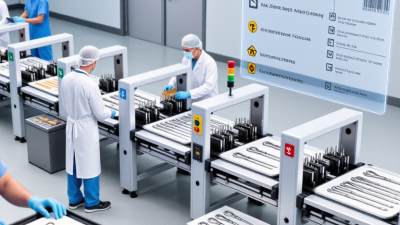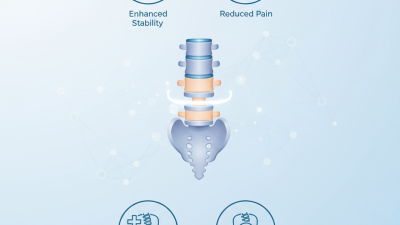
Operating rooms measure time in more than minutes. Every delayed clamp, awkward retractor, or incomplete tray can interrupt a carefully planned procedure. The 10 Best Surgical Instruments to Save Time examines tools that support smoother preparation, handling, and instrument exchange. This is a time surgical review, but speed is not the only standard. A useful instrument should also provide dependable control, clear visibility, ergonomic handling, and compatibility with approved sterilization processes.
The Lancet Commission on Global Surgery estimated that approximately 313 million operations occur worldwide each year. It also reported that nearly five billion people lack access to safe, affordable surgical care. These figures place efficiency under serious pressure. WHO’s Surgical Safety Checklist study, published in the New England Journal of Medicine, found that major complications fell from 11.0% to 7.0% after checklist implementation. Better organization matters.
Small improvements accumulate.
A self-retaining retractor can reduce repeated repositioning. A lightweight needle holder may lessen hand fatigue during long closure work. A modular suction instrument can simplify setup when visibility changes quickly. However, manufacturers’ claims should not replace clinical judgment. Faster handling may create new risks if the instrument feels unstable, obscures tissue, or complicates cleaning. The FDA emphasizes validated reprocessing for reusable medical devices, while AAMI ST79 highlights disciplined sterilization practices. This guide considers those practical realities, not just attractive product features. Rankings can never fit every specialty, tray design, or surgeon’s technique. That limitation deserves attention. The best choice is often the instrument that saves seconds without demanding unsafe compromises.
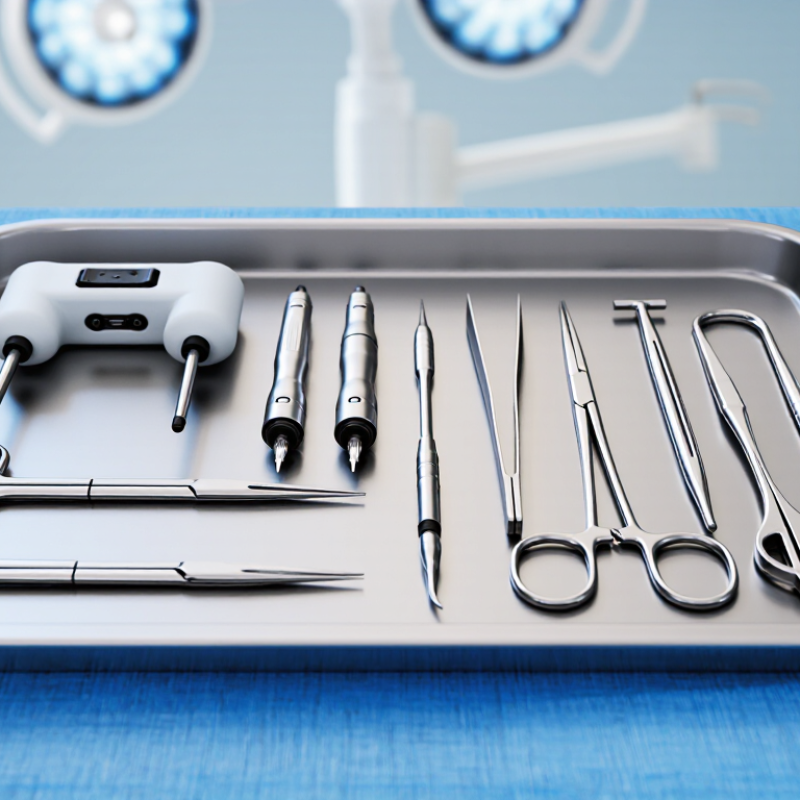
Time-saving surgical instruments are devices designed to reduce unnecessary hand movements, instrument exchanges, and repeated adjustments during an operation. Their purpose is not simply to make a procedure faster. They should support controlled, safe, and consistent work. Common examples include self-retaining retractors, atraumatic graspers, ergonomic needle holders, suction-irrigation instruments, and multifunctional dissection tools.
In practical surgical settings, these instruments can improve workflow in several ways. A self-retaining retractor may maintain exposure without constant manual pressure. An ergonomic needle holder can reduce wrist strain during repeated suturing.
Suction-irrigation instruments can clear the field and rinse tissue with fewer exchanges. These small changes may save seconds repeatedly, which can become meaningful during long procedures.
Instrument selection still requires professional judgment. Procedure type, tissue sensitivity, surgeon preference, team training, cleaning requirements, and hospital protocols all matter.
Evidence, manufacturer instructions, and verified sterilization procedures should guide use. A faster instrument is not automatically a better instrument. Poor balance, limited visibility, or unfamiliar handling can create delays instead.
Even experienced teams may overestimate time savings without reviewing actual workflow data. Careful audits and staff feedback can reveal whether an instrument truly improves performance or only feels convenient.
The best surgical instruments are not simply the fastest to handle. They should support controlled movement, clear visualization, and dependable tissue protection. A scalpel, surgical scissors, forceps, needle holder, retractor, suction device, and electrosurgical instrument each affect workflow differently. Evaluation should consider the procedure, tissue type, surgeon’s technique, and assistant’s coordination.
Ergonomic balance matters during long procedures. Handles should reduce finger pressure and remain stable with damp gloves. Fine forceps need accurate tips, while scissors should cut cleanly without excessive force. Retractors must provide exposure without creating unnecessary tissue tension. Suction devices should clear fluid without obstructing the operative field. Small design details can save repeated movements.
Safety begins with material quality, smooth joints, secure locking, and compatibility with validated sterilization cycles. Instruments should be inspected for dull edges, loose hinges, corrosion, and damaged insulation before use. A practical evaluation can measure setup time, handoffs, tissue handling, cleaning difficulty, and instrument failures. The fastest instrument is not useful if it increases fatigue or contamination risk.
Clinical teams should record findings, compare them with procedure-specific evidence, and involve surgeons, nurses, and sterile-processing staff. Cost also deserves attention, but low purchase price can hide repair and replacement burdens. One imperfect trial should not decide everything. Human preference can distort results, so repeated observation remains necessary. During testing, a simple checklist often reveals delays that memory misses.
10 Best Surgical Instruments to Save Time
Ten Surgical Instruments That Improve Operative Workflow
Operative time is shaped by small movements: a clean cut, a stable grip, and suction ready beside the field. Ten useful instruments include the electrosurgical pencil, ultrasonic dissector, advanced bipolar sealer, laparoscopic grasper, needle holder, skin stapler, suction-irrigation device, self-retaining retractor, clip applier, and specimen retrieval bag. Each can reduce hand exchanges and limit interruptions when selected for the procedure.
Small delays accumulate. A reliable suction-irrigation device can clear blood while preserving visibility. A self-retaining retractor may reduce manual fatigue during prolonged exposure. The needle holder and skin stapler can support faster closure, but only when tissue handling remains precise. The WHO Safe Surgery Saves Lives study reported major complications falling from 11.0% to 7.0% after checklist adoption across eight hospitals. That finding matters here: instruments work best inside a standardized setup, not as isolated shortcuts. AORN perioperative guidance also stresses equipment readiness, sterile processing, and count accuracy before use.
Workflow gains are not universal. A powered device may slow a team unfamiliar with its controls. A poorly balanced grasper can create extra wrist movement. I have seen “faster” tools become delays when trays were incomplete or accessories were missing. Selection should consider surgeon experience, case complexity, maintenance requirements, and staff training. Measure setup time, instrument exchanges, unplanned equipment changes, and closure time locally. The numbers may challenge assumptions.
Saving operating-room minutes starts before the incision. Choose instruments by procedure, tissue, reach, and grip, not by habit. The ten most useful categories often include scalpels, scissors, forceps, needle holders, retractors, clamps, suction tips, dilators, elevators, and measuring tools. Selection must match the surgeon’s technique and the patient’s anatomy. A narrow clamp may reduce tray clutter, yet it can increase tissue trauma when used poorly. Check jaw alignment, ratchet action, insulation, and corrosion under bright light. Small defects become costly delays. The WHO Global Guidelines for Surgical Site Infection Prevention report that surgical-site infections affect about 11% of patients in low- and middle-income countries. Cleaning is clinical work.
Handle instruments gently at the point of use. Separate sharps, keep lumens open, and prevent blood from drying on surfaces. AAMI ST79 recommends prompt treatment, safe transport, inspection, and validated sterilization practices. The CDC’s 2015 National Healthcare-Associated Infections Prevalence Survey found that about one in 31 U.S. hospital patients had at least one healthcare-associated infection on a given day. That risk makes maintenance more than an efficiency task. Count every item before and after the procedure. Then clean, rinse, dry, inspect, lubricate when permitted, package, sterilize, and document. Follow the instrument’s validated instructions for use. Never force a stiff hinge. Use magnification when needed. A rushed handoff can still defeat a perfect tray. No checklist is flawless. Review recurring damage, misplaced items, and failed counts honestly; the inconvenient pattern often reveals the real delay.
The fastest instrument is not always the best instrument. In practical operating-room use, ten tools often reduce handling time:
A well-positioned suction tip can clear the field within seconds. However, cable clutter, tissue sticking, poor jaw alignment, and delayed equipment checks can erase those gains.
WHO’s 2009 Safe Surgery Saves Lives report estimated 234 million operations worldwide each year. That scale makes small delays important, but speed cannot replace judgment.
Energy devices may cause thermal injury when tissue thickness is misread. Staplers can fail when compression is uneven. Powered instruments also create training demands, especially during emergency procedures. The FDA’s MAUDE database records device-related adverse-event reports, yet those reports do not prove causation. This limitation deserves attention.
Training should include tactile practice, fault recognition, smoke management, and backup planning. A short simulation session may prevent a long intraoperative delay. Still, training budgets are uneven. That is a weakness.
Future instruments may use sensors to measure pressure, temperature, and tissue response. Connected systems could record setup errors and maintenance patterns. Artificial intelligence may support, not replace, surgical decisions. Data sharing also raises privacy and cybersecurity concerns. The most useful development may be simpler: lighter handles, clearer feedback, and instruments designed around real workflow rather than impressive specifications.